
Tampa Bay pool renovation
Pool Leak Detection in Tampa Bay
If you’re adding water more often than usual, get the cause checked before planning a new finish.
Content updated
We investigate suspected pool leaks so you can make repair decisions based on the findings before investing in new finishes.
Try a bucket test before scheduling leak detection
Compare water loss in the pool with evaporation from a bucket exposed to the same conditions. This screens for a possible leak; it does not locate one.
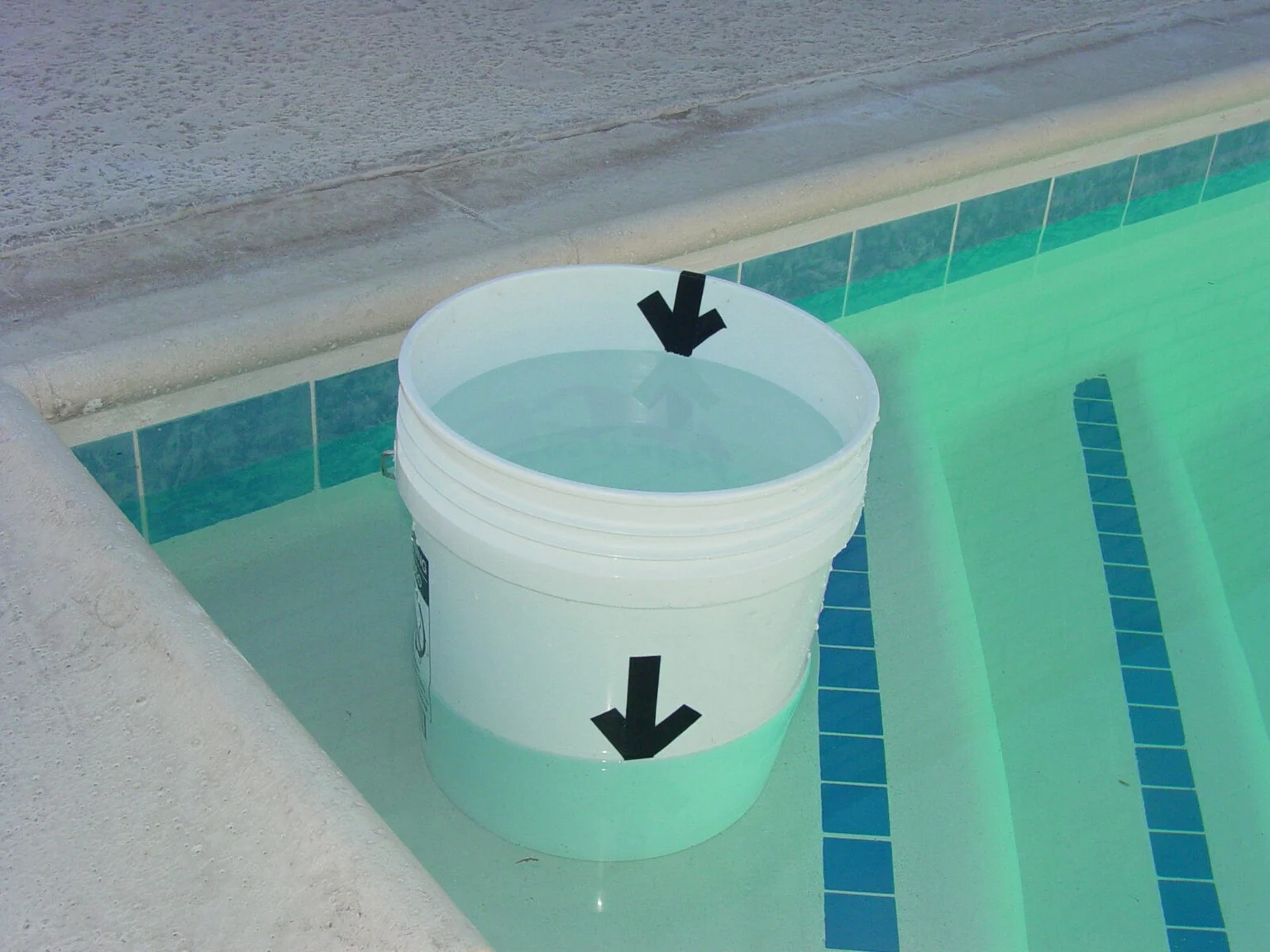
- Bring the pool to its normal water level. Fill an intact bucket with pool water to about one inch below its rim.
- Stand it securely on a submerged step with the rim above the pool water. Keep it from tipping or floating.
- With the water still, mark the level inside the bucket and the pool level on its outside. The two starting heights do not need to match.
- Disable automatic filling and avoid adding water, swimming, backwashing, and splash-producing features. Keep the usual pump schedule and record it. Do not run equipment if the water drops below its safe operating level.
- After 24 hours, measure each drop from its own starting mark. If rain or other water changes interfere, repeat under stable conditions.
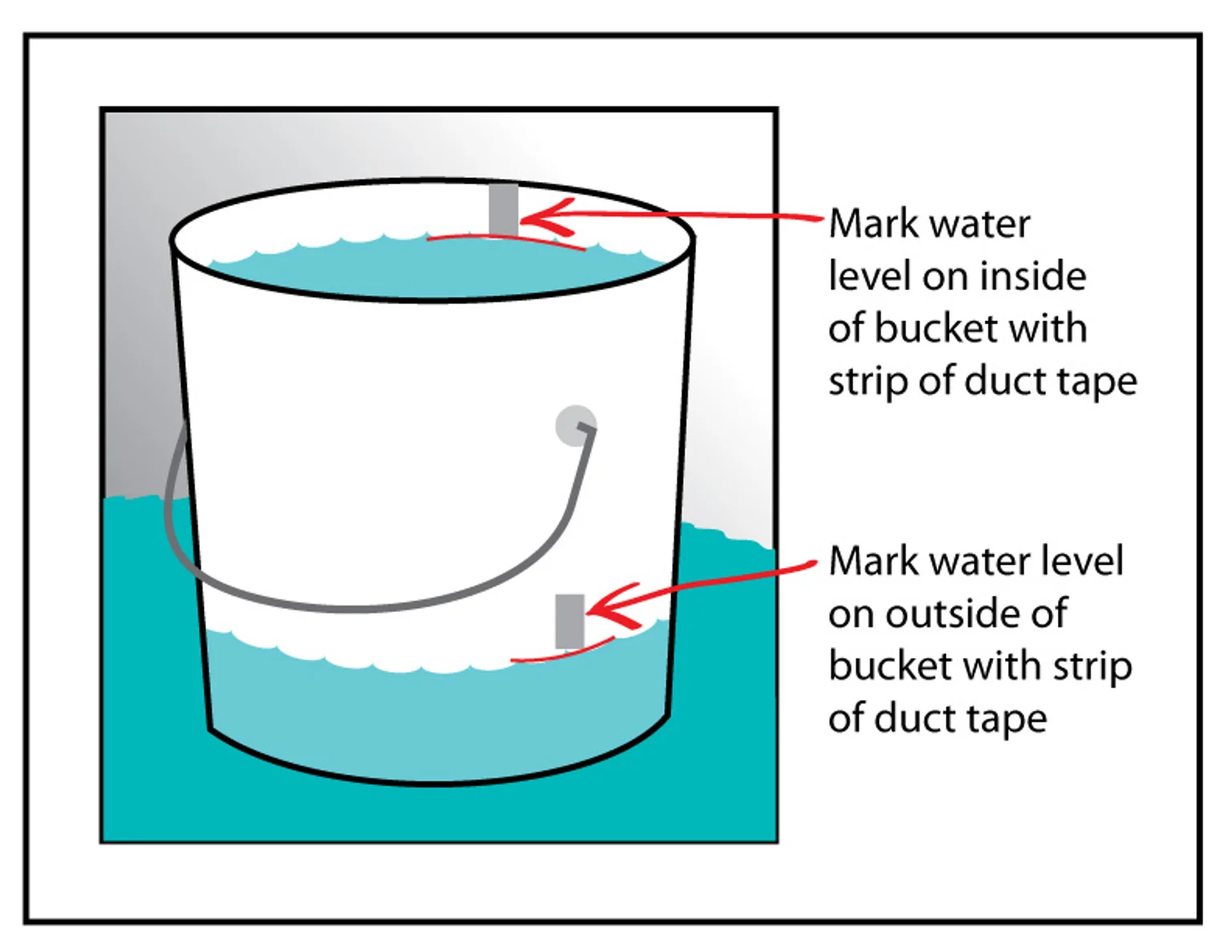
Similar drops suggest evaporation. A larger pool drop suggests additional water loss and warrants an assessment. A small or intermittent leak can escape this test. Record measurements and equipment timing for the technician; do not drain the pool to investigate.
Method reference: American Leak Detection bucket test.
Investigate unexplained pool water loss
Make a note of when you noticed the loss, how often you add water, and whether the level changes differently when equipment is running. Mention visible damp areas, recent repairs, and any changes in automatic filling. These details can help guide an investigation; they do not establish the cause on their own.
Evaporation, splashing, equipment issues, and leaks can all affect the water level. The appropriate tests depend on the pool and the symptoms.
Separate pool leak testing from repair pricing
Ask what the detection visit covers, how findings will be documented, and whether repair pricing follows separately. A leak can involve plumbing, fittings, equipment, or the pool structure. Replacing the interior finish is not a blanket cure.
Coordinate leak repairs before resurfacing
If you are planning resurfacing or remodeling, share any leak findings with the contractor before the scope is finalized. That gives everyone a better chance to address the cause while access and sequencing are being planned.
What affects the pool leak detection estimate?
Access, symptoms, the areas to be tested, and any follow-up investigation affect the detection scope. Ask whether the price covers diagnosis only and how any repair work will be proposed. A repair allowance is different from an established repair price.
How we plan pool leak detection work
Begin with your record of water loss and previous repairs. The professional selects appropriate checks for the symptoms and documents the findings. Use that information to agree on repairs and any follow-up verification before finish work starts.
For help preparing the history, see our Temple Terrace pool planning guide. Read the renovation sequence when a new finish is also on your list.
Request a pool leak detection estimate
Tell us your city and what you would like to change. Request an estimate.
A closer look at the estimate
Record when the water level changes, whether the equipment is running, and whether an autofill is active. Share recent bills and repair history. Follow professional instructions before changing equipment operation or water level.
Clarify whether the assessment includes visible equipment, plumbing tests, fittings, and the shell, and what written findings you will receive. Agree on authorization for further testing and separate pricing for repairs.
Scope to confirm before approving work
Request explicit line items for diagnostic scope, access, findings, proposed repairs, exclusions, and a way to verify the result. Keep optional upgrades separate from necessary repair work. An access plan for a screened backyard can be as important as the finish choice. Record enclosure protection, material handling, and restoration in the scope.
Use the budget planner to compare included items, quantities, and allowances.
Planning information compiled from the linked public resources and project-scope guidance. Examples are illustrative. Product instructions and the assessment of your property determine the final work. About this site.
Pool Leak Detection questions
Is every drop in water level a leak?
No. Evaporation, splashing, equipment operation, and leaks can all affect the level. A change from the pool’s normal pattern is useful information for an assessment.
Is leak repair included with detection?
Not automatically. Ask what the investigation covers and how repair recommendations and pricing will be provided.
Should I drain my pool before the visit?
No. Leave draining and water-handling decisions to the professional responsible for the assessment. The pool’s condition and normal operating pattern can be useful to the investigation.